
Innovating treatments.
Transforming Lives.
Welcome to the Infectious Disease and Drug Discovery (IDDD) Lab at Texas Southern University—where rigorous research meets real-world impact.
Slide 1 of 3
What we do
Advancing Drug Discovery. Improving Global Health.
At the Infectious Diseases and Drug Discovery Laboratory (IDDD), we develop innovative therapeutic strategies to address some of the most pressing infectious disease challenges facing communities worldwide. By combining computational science, structural biology, and experimental research, we uncover new insights that support the discovery and development of next-generation therapies.
Every discovery is guided by a commitment to improving health outcomes and advancing solutions for communities disproportionately affected by infectious diseases. Through collaboration, innovation, and scientific excellence, we work toward a future where effective treatments are accessible to those who need them most.
Leadership
Meet the Principal Investigator

View Profile“At IDDD, we believe drug discovery should reflect the communities it serves. We are proud to lead cutting-edge research and inclusive training that advances science and social impact.”
Gallery
Moments from the lab and beyond
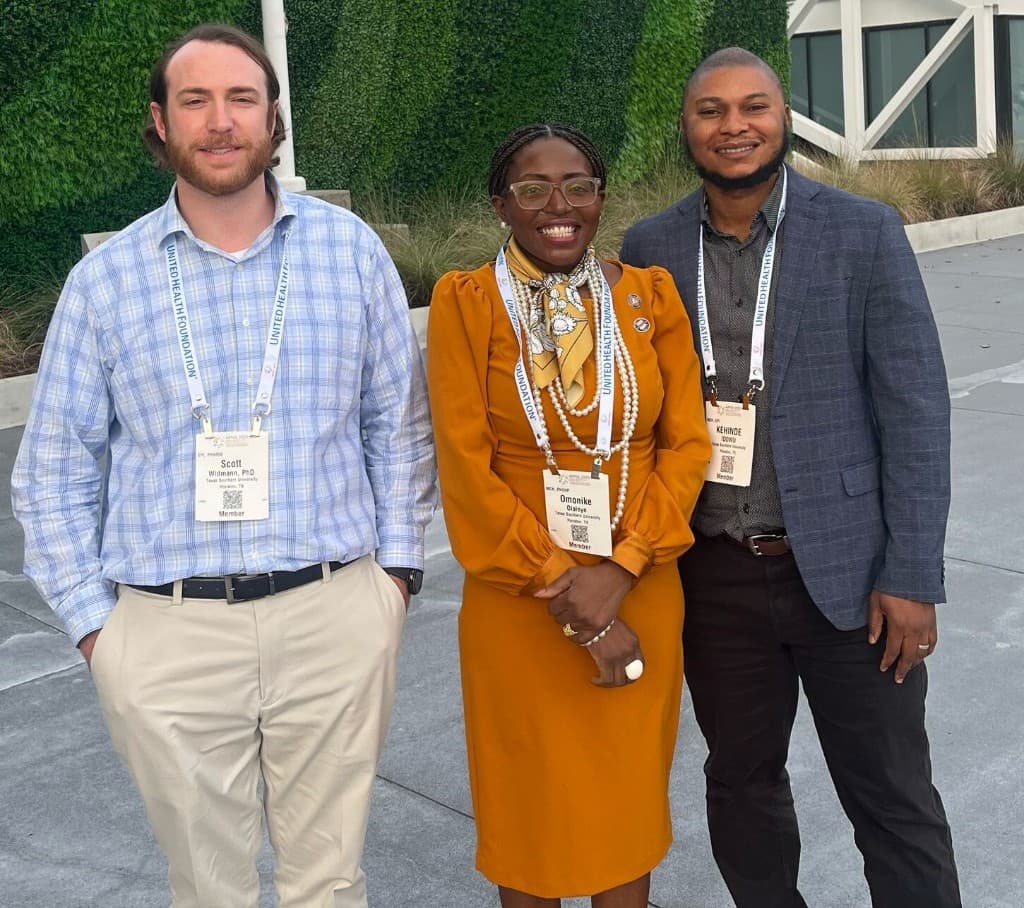
Faculty representing TSU at APHA 2023
Scott Widmann, Esther Olaleye, and Kehinde Idowu at the American Public Health Association annual meeting.
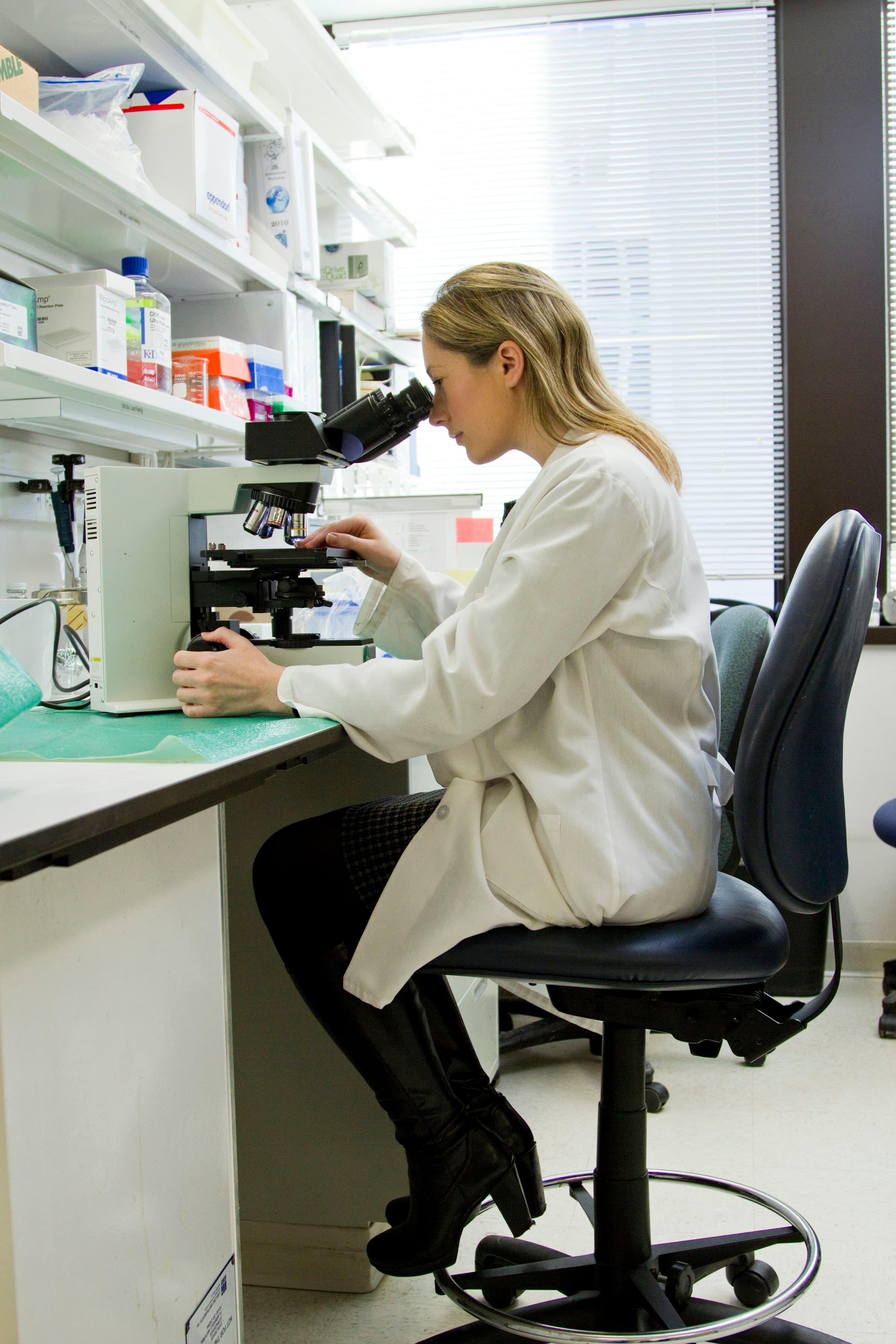
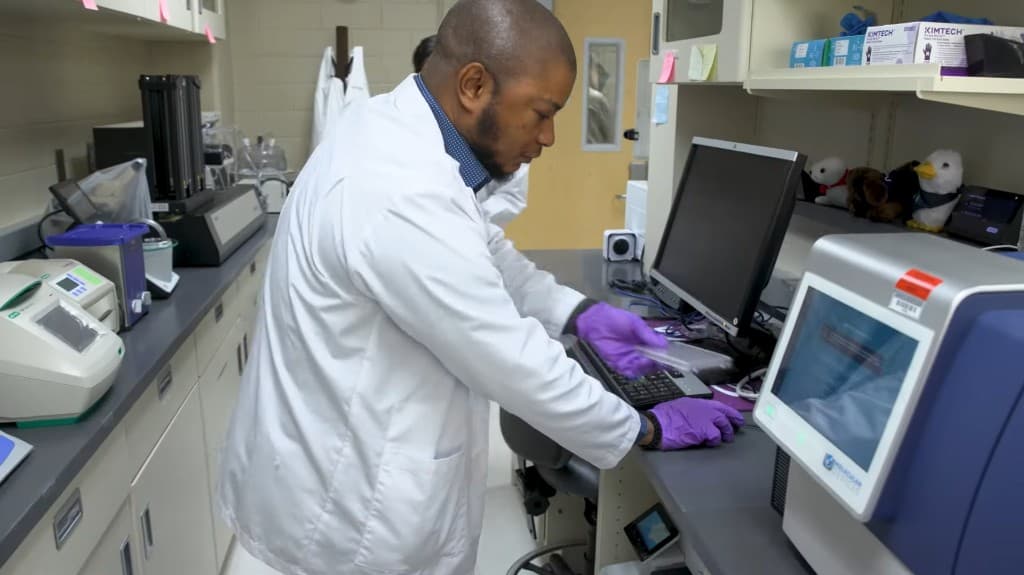
Wet-lab discovery at the bench
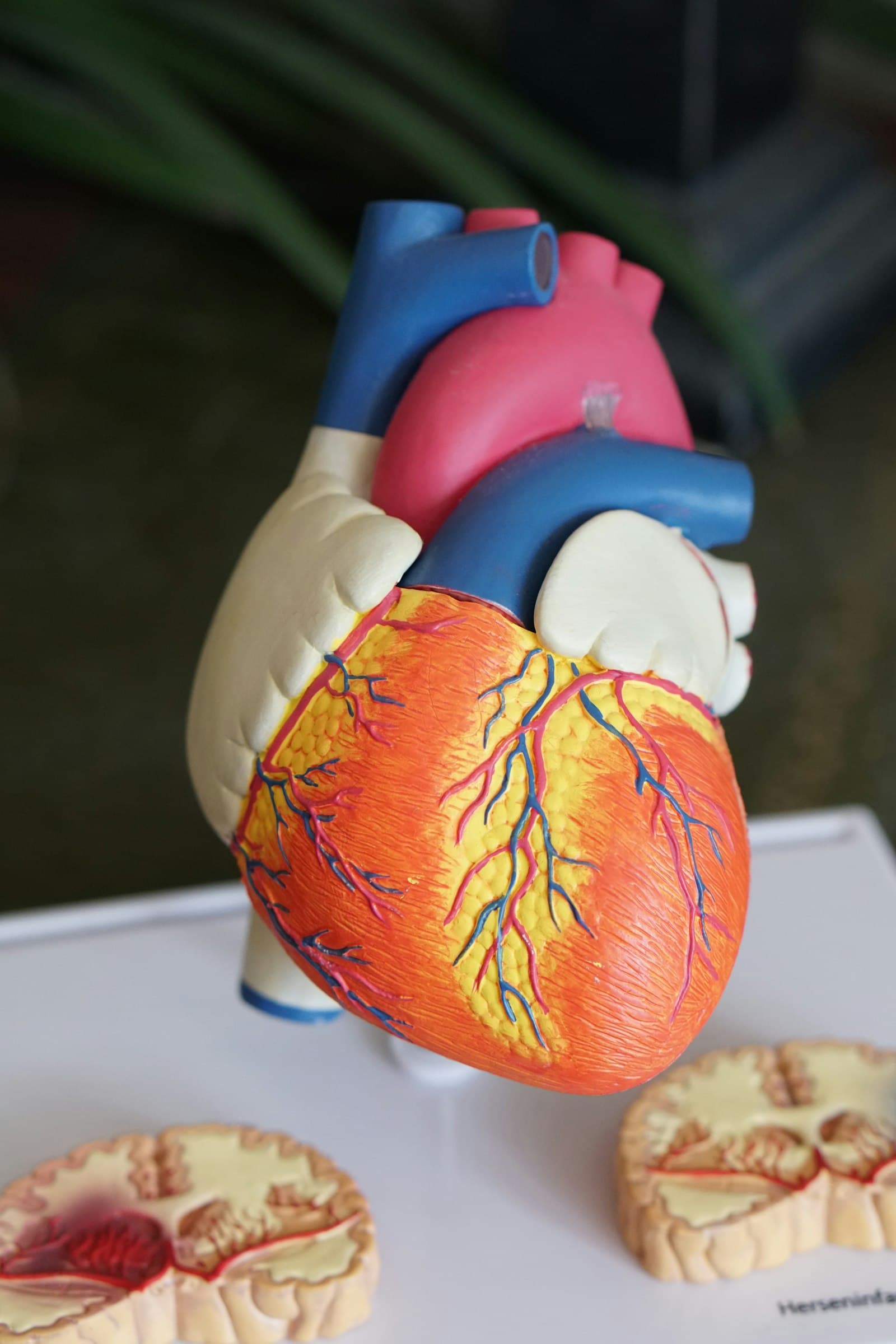
Assay instruments and daily lab workflow
Hands-on screening and plate-based assays
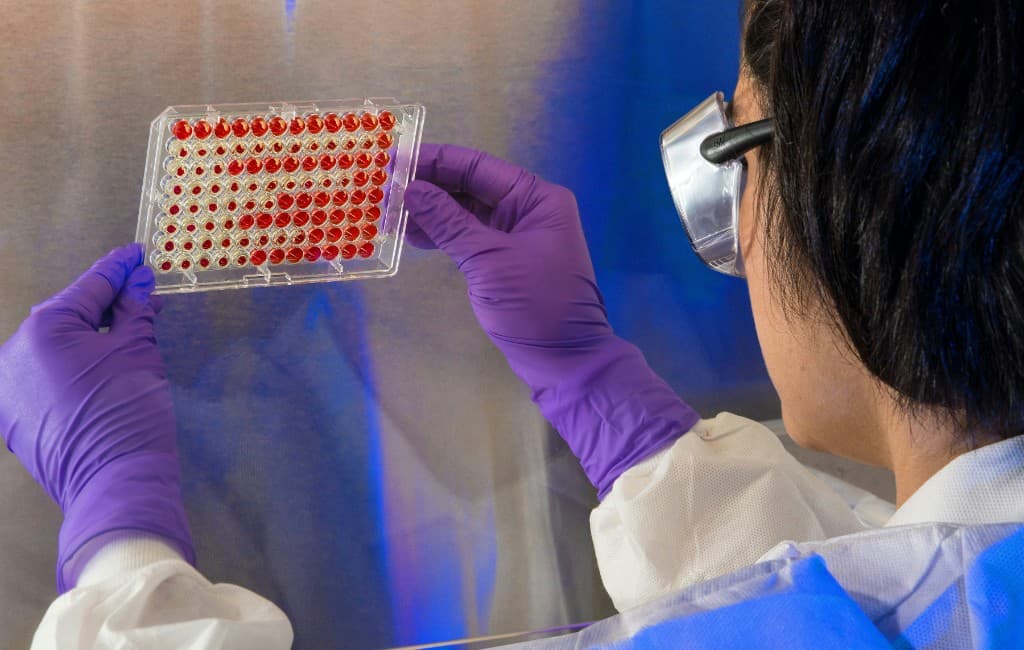
High-throughput screening core
Focus
Four fronts of discovery
 01
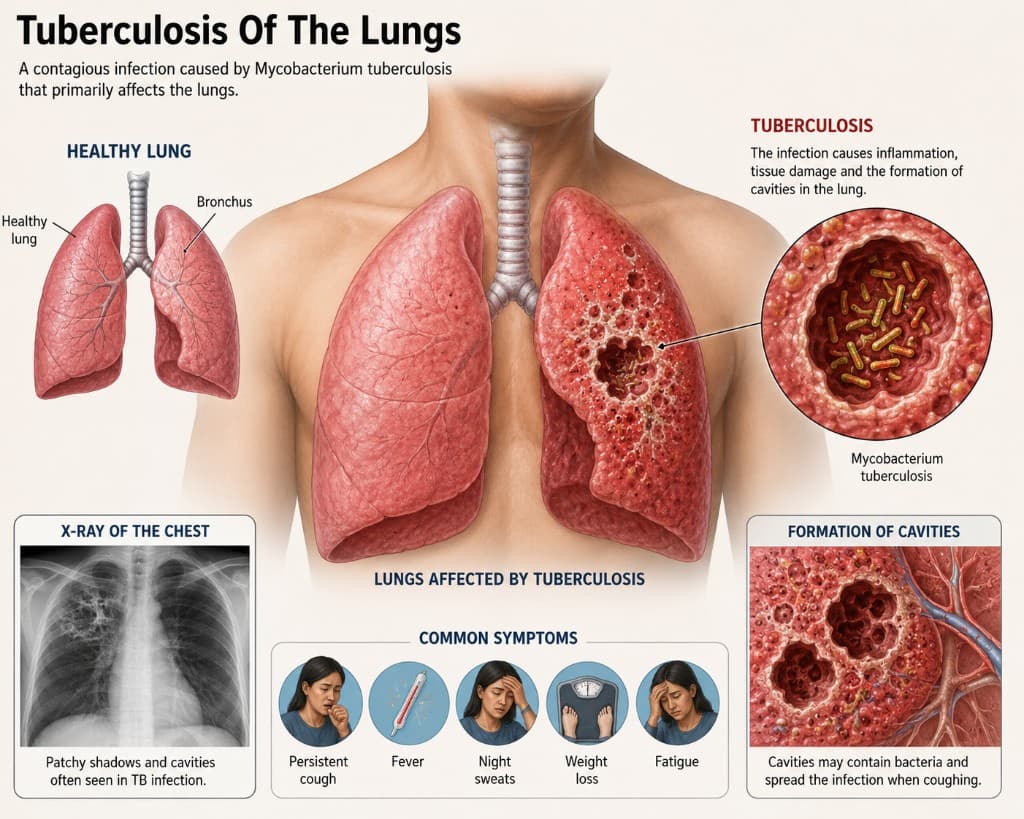
01Tuberculosis (TB)
Developing inhibitors for drug-resistant Mycobacterium tuberculosis.
Drug-resistant TB remains one of the world’s toughest infectious threats. We design and evaluate small-molecule inhibitors that strike essential mycobacterial enzymes—work that pairs structural modeling with experimental validation against active and multi-drug-resistant strains.
Read more →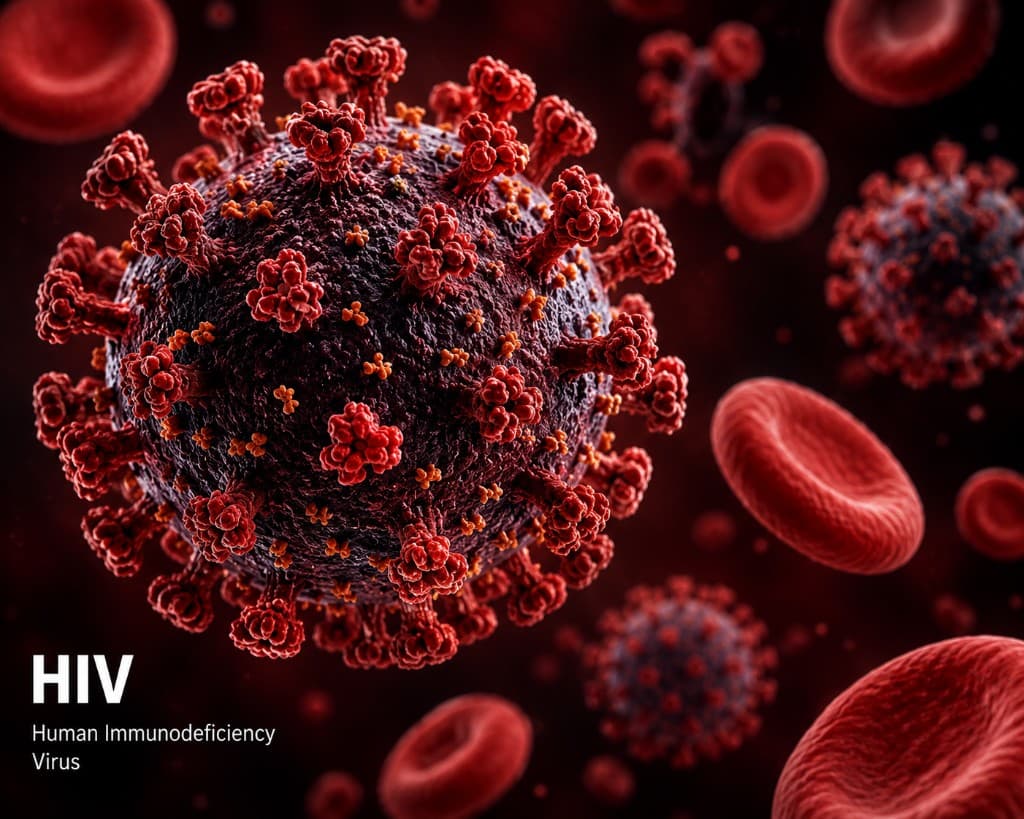 02
02HIV/AIDS
Novel integrase and protease inhibitors using molecular modeling.
HIV still demands smarter antivirals as resistance and lifelong therapy reshape the treatment landscape. We use molecular modeling to invent and refine integrase and protease inhibitors—mapping how candidates bind, mutate, and hold their ground at the viral enzyme interface.
Read more →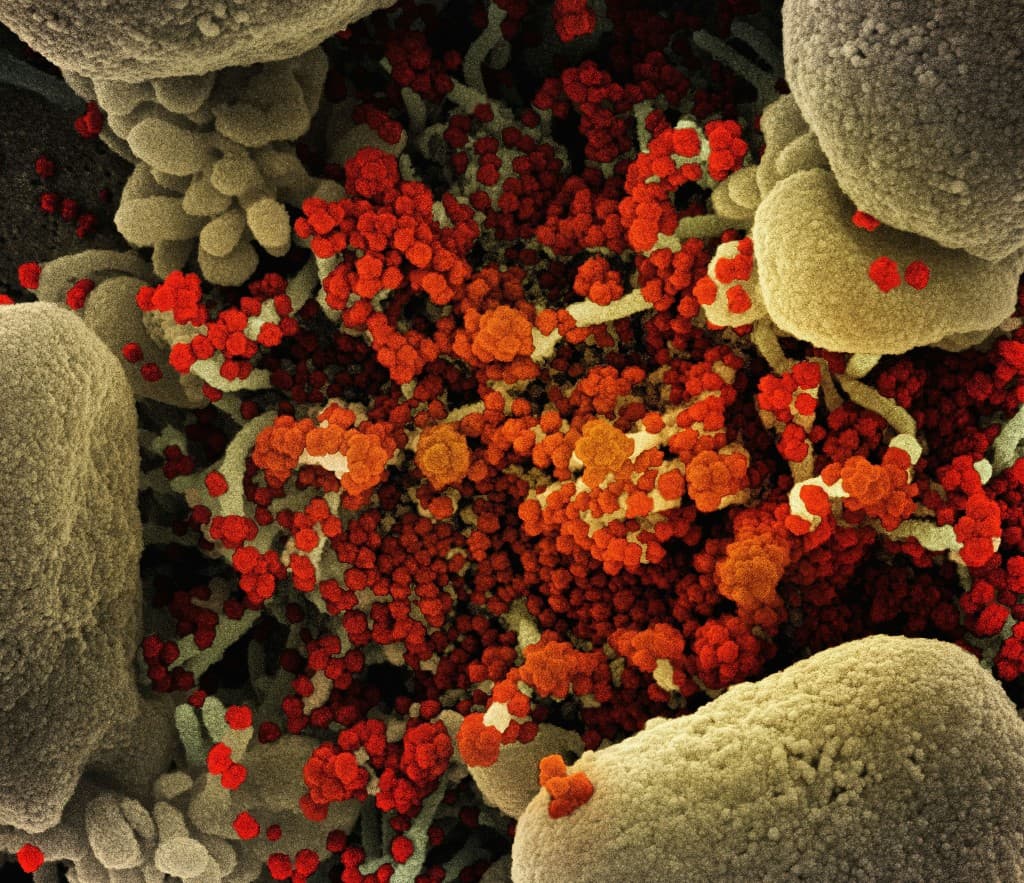 03
03COVID-19 & Coronaviruses
Small molecule antivirals and spike protein neutralizers.
Coronaviruses taught the world how fast a pathogen can remake the rules of public health. Our program targets viral entry and host–pathogen interfaces—especially the spike–ACE2 handshake—while advancing small-molecule antivirals that disrupt infection at its earliest steps.
Read more →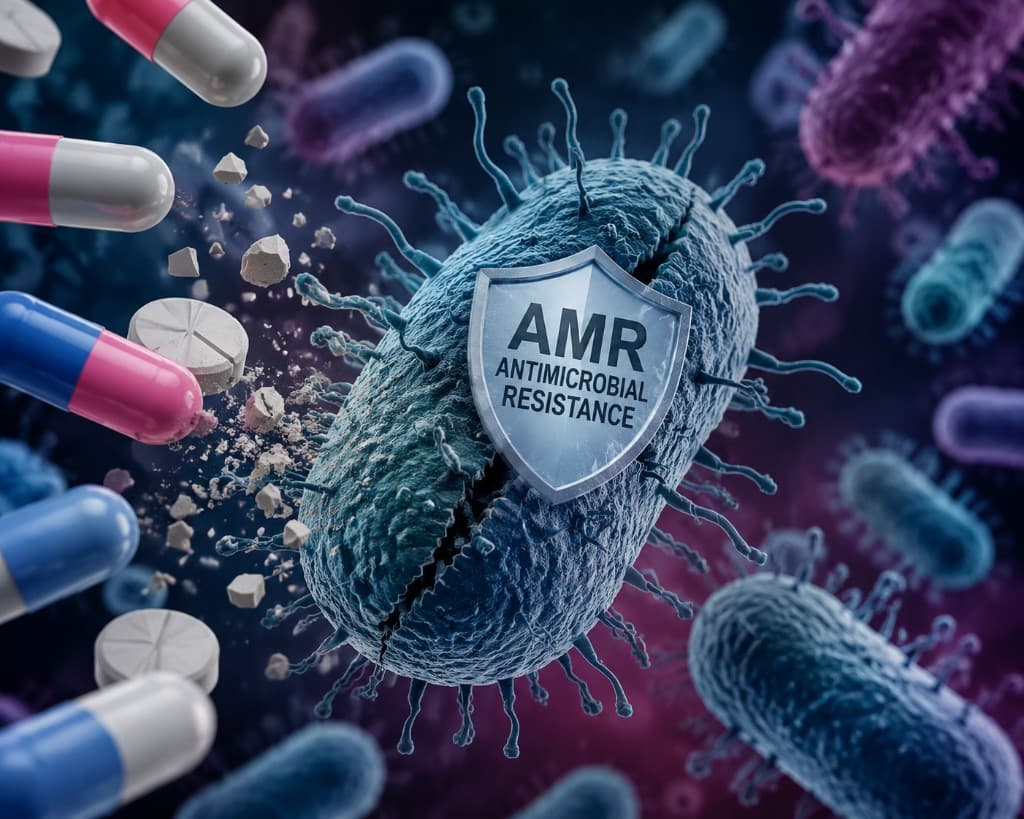 04
04Antimicrobial Resistance (AMR)
Investigating β-lactamase inhibitors and resistance mechanisms.
Antimicrobial resistance threatens to reverse decades of medical progress. We investigate how bacteria disarm β-lactam antibiotics—and design inhibitors that restore those medicines by shutting down the enzymes that destroy them.
Read more →
Where we sit
Anchored at TSU, connected to Houston's research ecosystem.
Centre for Biomedical and Minority Health Research
Home center supporting biomedical research on diseases that disproportionately affect minority communities.
College of Pharmacy and Health Sciences
Academic home for IDDD Lab within Texas Southern University.
BioRACC
Collaborative high-performance computing for docking, MDS, NGS analysis, and AI-driven discovery pipelines.
Supported by
institutions that believe in advancing discovery and improving lives



Partnerships & Collaborations
Built with Houston's research network.
Academic partners that extend IDDD Lab's reach from discovery to local impact.
Institutional Collaborations
Baylor College of Medicine
Partnering with Baylor to move discoveries from computation to the clinic—pairing IDDD modeling with experimental validation and training across Houston’s academic medical corridor.
The University of Texas MD Anderson Cancer Center
Working alongside MD Anderson where infection, immunity, and molecular therapeutics meet—building shared methods that accelerate antiviral discovery and inform oncology-adjacent research.
News & Events
Latest from the lab
Featured video
Advancing Health Equity: Texas Southern University Center for Biomedical & Minority Health Research
Event
2023
IDDD faculty at APHA 2023
Esther Olaleye, Kehinde Idowu, and Scott Widmann represented Texas Southern University at the American Public Health Association annual meeting—connecting lab discovery to the broader public health community.
News
2023
TB drug candidate study published in IJMS
Collaborative work on OJT008 against active and multi-drug-resistant Mycobacterium tuberculosis appears in the International Journal of Molecular Sciences.
News
2022
SARS-CoV-2 spike–ACE2 studies released
Computational evaluations of Omicron and Delta spike stability, and inhibitor mechanisms at the spike–hACE2 interface, expand the lab’s antiviral portfolio.
Join Us
Advance the Future of Infectious Disease Research
Join the IDDD Lab to collaborate on groundbreaking research, gain hands-on training, or build strategic partnerships that accelerate discoveries in infectious diseases and drug development.
Explore Opportunities