
Infectious Diseases and Drug Discovery Laboratory (IDDD)

Research Focus

Four fronts against infectious disease.

From drug-resistant TB and HIV to coronaviruses and antimicrobial resistance—computation and experiment move together toward new therapeutics.

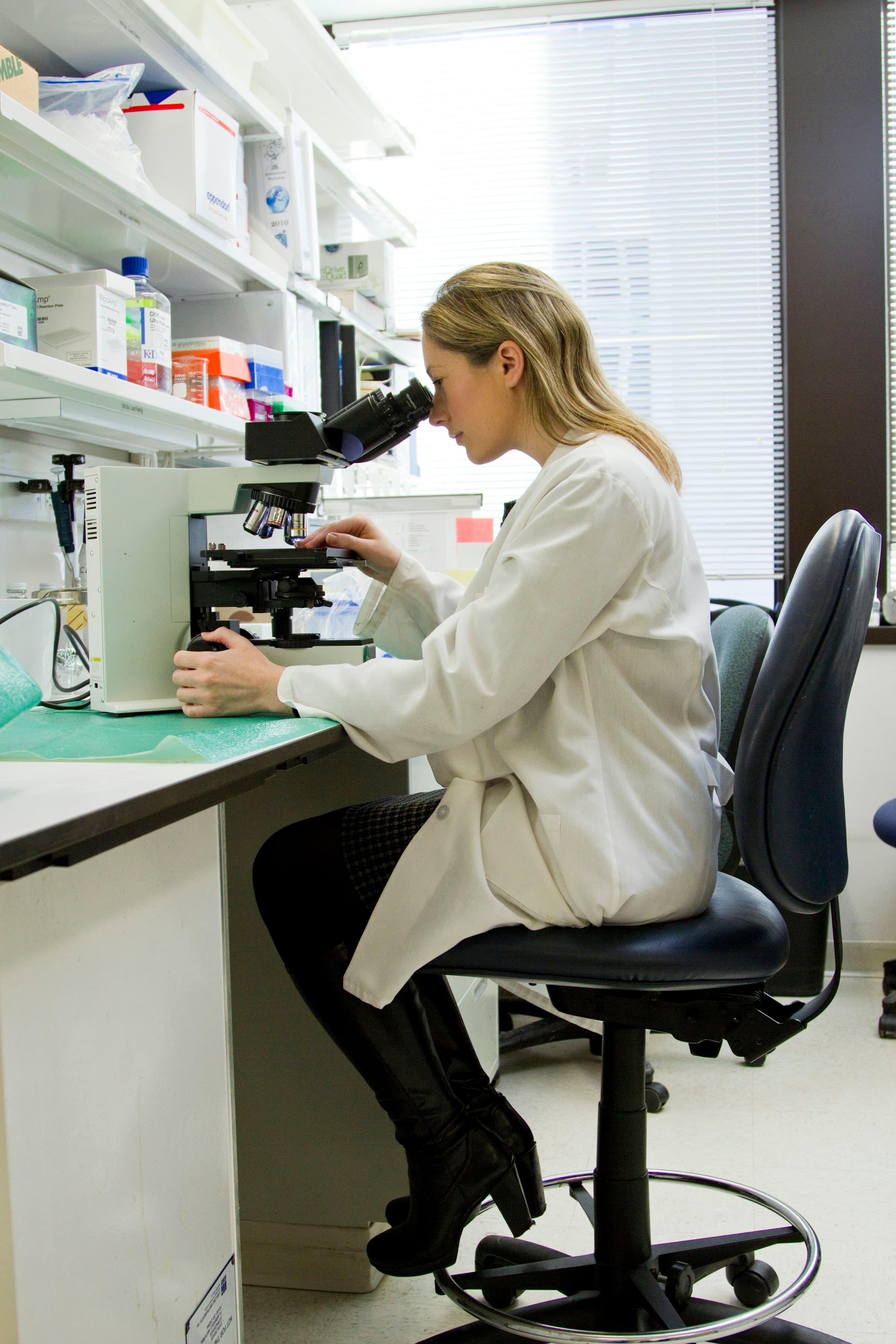
Wet-lab benchwork supporting IDDD antiviral and antibacterial programs

Computation and experiment, side by side

Each focus area moves from structural insight to candidate testing—so models inform assays, and assay results refine the next round of discovery. Open any program below to read how the science unfolds.

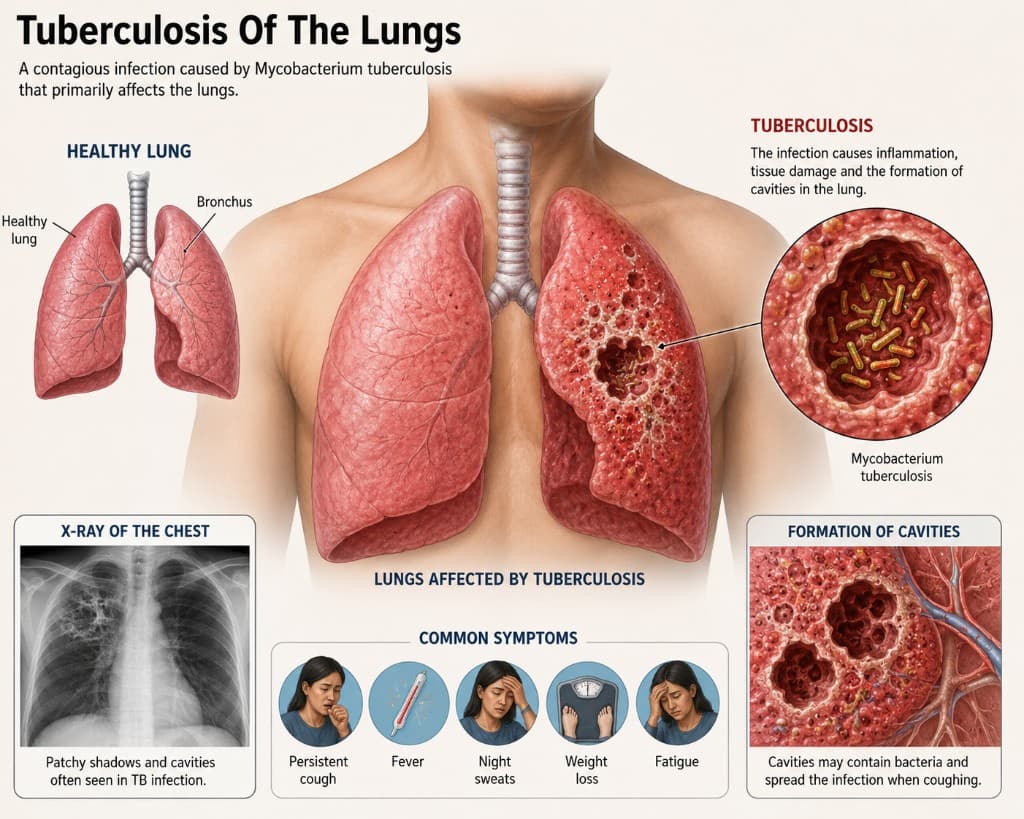
Medical illustration of tuberculosis of the lungs showing affected tissue, Mycobacterium tuberculosis, and common symptoms

Focus 01

Tuberculosis (TB)

Developing inhibitors for drug-resistant Mycobacterium tuberculosis.

Drug-resistant TB remains one of the world’s toughest infectious threats. We design and evaluate small-molecule inhibitors that strike essential mycobacterial enzymes—work that pairs structural modeling with experimental validation against active and multi-drug-resistant strains.

Mycobacterium tuberculosis adapts quickly, and resistance to frontline regimens continues to outpace new medicines. At IDDD, we focus on essential bacterial machinery that pathogens cannot easily abandon—targets such as methionine aminopeptidase—to open fresh paths for therapy when existing drugs fail.

Our approach blends high-throughput virtual screening, docking, and molecular dynamics with collaborative in vitro assays. Candidates are scored not only for potency, but for how they behave at the protein interface under realistic structural stress—so promising hits are grounded in both computation and biology.

Published work on candidates such as OJT008 illustrates the pipeline in action: in silico prediction followed by laboratory confirmation against active and multi-drug-resistant M. tuberculosis. The goal is clear—move beyond incremental tweaks of old scaffolds toward inhibitors built for today’s resistant disease.

  • Structure-guided design against essential mycobacterial enzymes
  • Screening campaigns for multi-drug-resistant TB phenotypes
  • Hit-to-lead iteration with computational and wet-lab partners
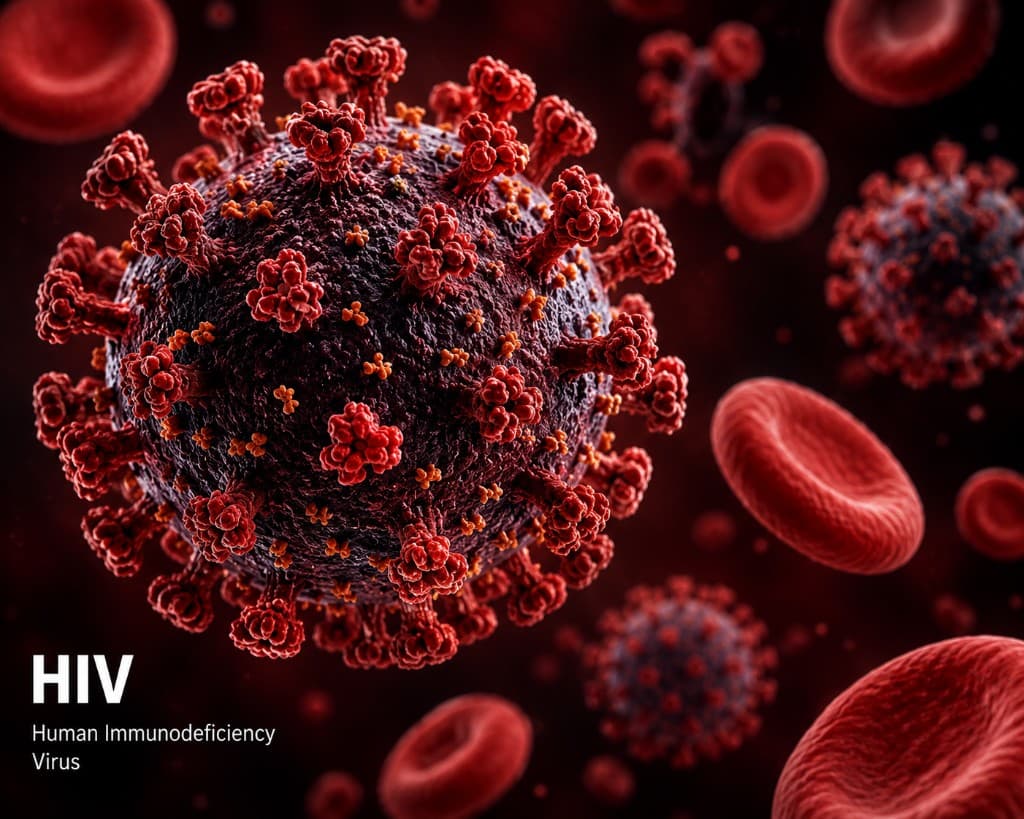
3D illustration of HIV (Human Immunodeficiency Virus) particles among red blood cells

Focus 02

HIV/AIDS

Novel integrase and protease inhibitors using molecular modeling.

HIV still demands smarter antivirals as resistance and lifelong therapy reshape the treatment landscape. We use molecular modeling to invent and refine integrase and protease inhibitors—mapping how candidates bind, mutate, and hold their ground at the viral enzyme interface.

Integrase and protease sit at the heart of HIV replication. When mutations blunt today’s medicines, the next generation of inhibitors must anticipate resistance rather than chase it. Our modeling work explores binding pockets, catalytic geometry, and mutation landscapes to nominate compounds with resilience built in.

Using docking, dynamics, and AI-assisted prioritization, we simulate how candidate molecules engage viral enzymes before a single assay begins. That foresight narrows the chemical space we take into collaborative experimental studies—saving time, cost, and reagents while raising the odds of a true hit.

The long view is translational: inhibitors that remain useful as viral populations evolve, and training environments where students learn to read resistance not as an afterthought, but as a design constraint from day one.

  • Integrase and protease active-site modeling
  • Resistance-aware inhibitor design and scoring
  • Virtual screening paired with collaborative validation
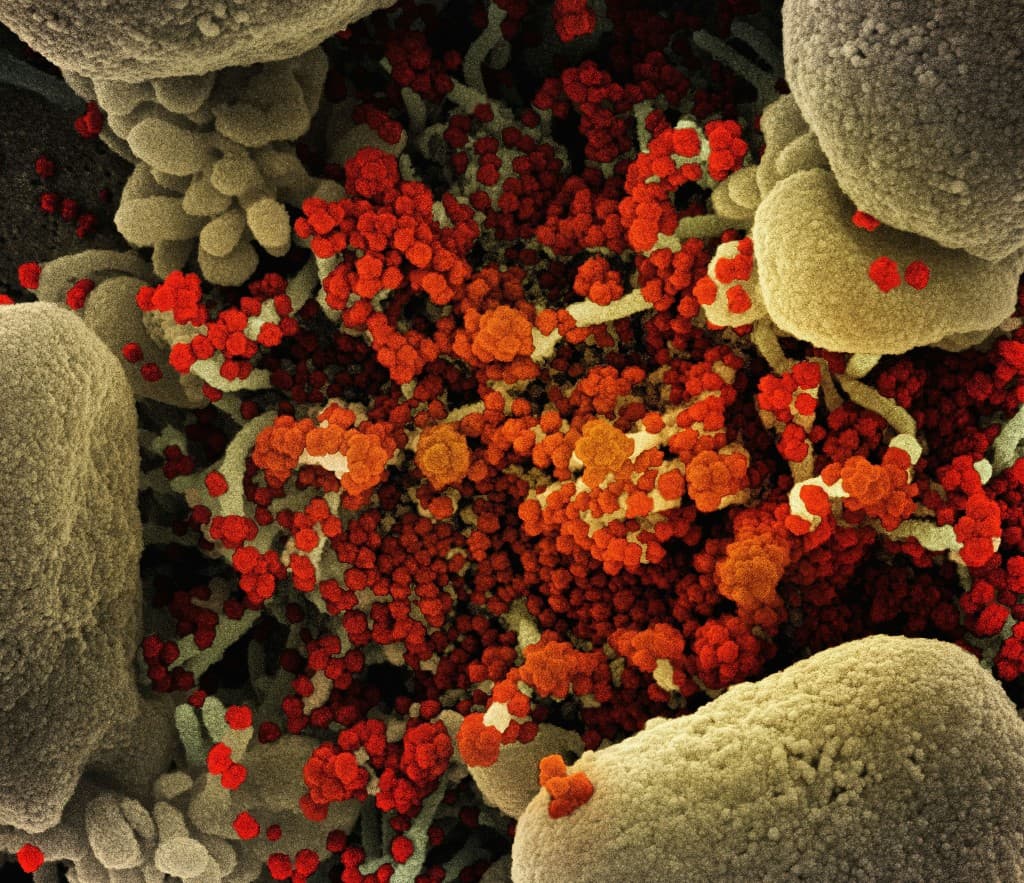
Colorized scanning electron micrograph of SARS-CoV-2 virus particles emerging from a cell surface

Focus 03

COVID-19 & Coronaviruses

Small molecule antivirals and spike protein neutralizers.

Coronaviruses taught the world how fast a pathogen can remake the rules of public health. Our program targets viral entry and host–pathogen interfaces—especially the spike–ACE2 handshake—while advancing small-molecule antivirals that disrupt infection at its earliest steps.

The SARS-CoV-2 spike protein’s engagement with human ACE2 is a high-stakes molecular conversation. We study how variants—from Delta to Omicron and beyond—reshape that interface, and how small molecules or related strategies might interrupt binding before infection takes hold.

Published computational studies from the lab have examined spike–hACE2 stability across mutations and explored inhibitory mechanisms for compounds such as ambroxol, bromhexine, and clioquinol derivatives. Those projects sit inside a broader ambition: build a reusable toolkit for coronavirus entry blockade that is ready when the next strain emerges.

Alongside entry-focused work, we pursue small-molecule antivirals that can complement vaccines and biologics—especially for populations that need accessible, shelf-stable options. Computation guides the search; collaboration brings candidates into the wet lab.

  • Spike–ACE2 interface analysis across emerging variants
  • Small-molecule antiviral candidate evaluation
  • Mutation and binding-stability studies for pandemic preparedness
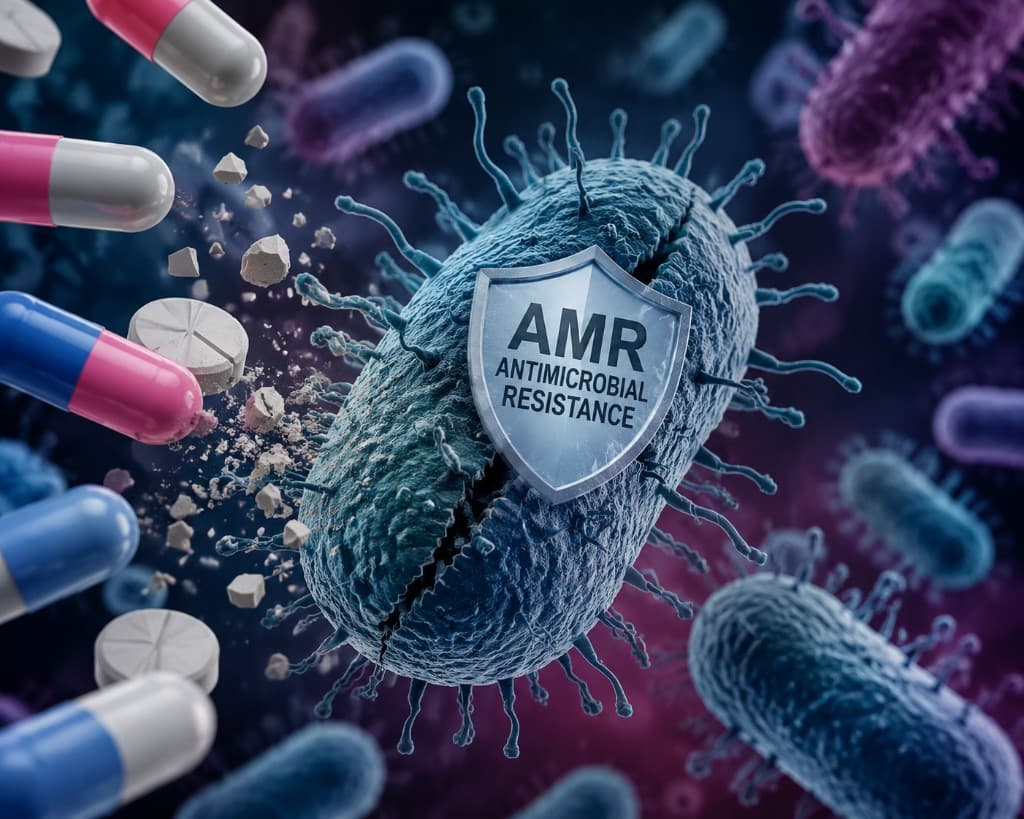
Illustration of a bacterium shielded against antimicrobial drugs, representing antimicrobial resistance

Focus 04

Antimicrobial Resistance (AMR)

Investigating β-lactamase inhibitors and resistance mechanisms.

Antimicrobial resistance threatens to reverse decades of medical progress. We investigate how bacteria disarm β-lactam antibiotics—and design inhibitors that restore those medicines by shutting down the enzymes that destroy them.

β-lactamases are among the most successful bacterial defense systems ever evolved: they cleave the core of β-lactam antibiotics and leave clinicians with fewer reliable options. Understanding their catalytic mechanisms, substrate preferences, and mutational escape routes is essential to reclaiming these drugs.

At IDDD, computational chemistry meets infectious-disease strategy. We model β-lactamase active sites, screen for inhibitor chemotypes, and study how resistance mutations alter enzyme behavior—so candidate molecules are chosen with tomorrow’s resistant strains in mind, not only today’s.

AMR work also connects our TB, HIV, and coronavirus programs under one principle: resistance is not a side plot. It is the central design problem. By mapping mechanisms early, we aim to deliver inhibitors that stay useful longer—and train the next generation of scientists to think the same way.

  • β-lactamase mechanism and inhibitor modeling
  • Resistance mutation and enzyme-stability analysis
  • Cross-program strategies for durable antimicrobial design

How the work gets done

Computational suites, HPC partnerships, and experimental collaboration that support every focus area.

View core facilities

Selected peer-reviewed work from the lab and collaborators.

View publications